Acids and Bases - Basic Introduction - Chemistry

Related videos

Acids and Bases - Formulas and Equations - pH, pOH, Ka, Kb, pKa, pKb, Kw - Chemistry
The Organic Chemistry Tutor
126.7k views

Basic Integration Formulas - Calculus
The Organic Chemistry Tutor
150.0k views

Reciprocal Functions - Basic Introduction
The Organic Chemistry Tutor
81.1k views
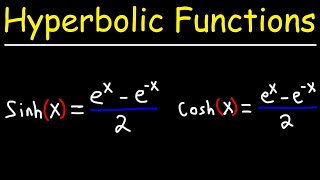
Hyperbolic Trig Functions - Basic Introduction
The Organic Chemistry Tutor
395.5k views

Inductive Effect - Acids and Bases
The Organic Chemistry Tutor
208.5k views

Introduction to Statistics
The Organic Chemistry Tutor
2.1m views

pKa Values of Acids - Organic Chemistry
The Organic Chemistry Tutor
84.7k views

Point Slope Form - Basic Introduction - Algebra
The Organic Chemistry Tutor
485.8k views
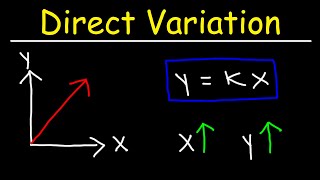
Direct Variation - Basic Introduction | Algebra
The Organic Chemistry Tutor
314.7k views

The Metric System - Basic Introduction
The Organic Chemistry Tutor
181.6k views
Unlock all features
FREE: Get instant access to 10 AI summaries, chats, or transcripts per day.
Unlock all features
FREE: Get instant access to 10 AI summaries, chats, or transcripts per day.
Unlock all features
FREE: Get instant access to 10 AI summaries, chats, or transcripts per day.
Unlock all features
FREE: Get instant access to 10 AI summaries, chats, or transcripts per day.
Unlock all features
FREE: Get instant access to 10 AI summaries, chats, or transcripts per day.
Related videos
Acids and Bases - Formulas and Equations - pH, pOH, Ka, Kb, pKa, pKb, Kw - Chemistry
The Organic Chemistry Tutor
126.7k views
Basic Integration Formulas - Calculus
The Organic Chemistry Tutor
150.0k views
Reciprocal Functions - Basic Introduction
The Organic Chemistry Tutor
81.1k views
Hyperbolic Trig Functions - Basic Introduction
The Organic Chemistry Tutor
395.5k views
Inductive Effect - Acids and Bases
The Organic Chemistry Tutor
208.5k views
Introduction to Statistics
The Organic Chemistry Tutor
2.1m views
pKa Values of Acids - Organic Chemistry
The Organic Chemistry Tutor
84.7k views
Point Slope Form - Basic Introduction - Algebra
The Organic Chemistry Tutor
485.8k views
Direct Variation - Basic Introduction | Algebra
The Organic Chemistry Tutor
314.7k views
The Metric System - Basic Introduction
The Organic Chemistry Tutor
181.6k views
Top Comments (10)
Tomorrow I take my last chemistry test. Thank you for being a better teacher in these videos than my actual teacher
🎯 Key Takeaways for quick navigation: 00:01 🧪 Acids can be identified by having a hydrogen in front of them, while bases typically have a hydroxide ion or a hydrogen attached to a metal. 01:34 🧪 Arrhenius acids release H+ ions into solution, forming hydronium ions, while Arrhenius bases release hydroxide ions. 02:21 🧪 Bronsted-Lowry acids are proton donors, bases are proton acceptors in acid-base reactions. 03:40 🧪 In reactions, conjugate acids form from bases, and conjugate bases form from acids. 06:36 🧪 The pH scale measures acidity: pH < 7 is acidic, pH = 7 is neutral, and pH > 7 is basic. 07:19 🧪 pH + pOH always equals 14 at 25°C. H3O+ concentration = 10^(-pH), hydroxide concentration = 10^(-pOH). 07:55 🧪 Strong acids fully ionize, weak acids partially ionize. Strong bases are soluble and fully ionize, weak bases do not. 08:38 🧪 Common strong acids include HCl, HNO3, H2SO4, and HClO4. Weak acids include HF, and most others. 09:50 🧪 Oxyacids follow a trend: more oxygen atoms make the acid more acidic. 10:38 🧪 Strong acids produce hydrogen gas when reacting with metals; weak acids do not. 12:03 🧪 Strong bases fully ionize in solution, while weak bases only partially ionize. 14:24 🧪 Water can act as an acid (donate H+) or a base (accept H+), making it amphoteric. 18:40 🧪 Acid indicators turn blue litmus red, base indicators turn red litmus blue. 20:38 🧪 Acids react with active metals to produce hydrogen gas; not all metals react with acids. 21:52 🧪 Ka is the acid dissociation constant, while Kb is the base dissociation constant. 23:44 🧪 Water's autoionization, where water molecules act as both acids and bases, is described by the Kw expression. 25:44 🧪 Amphoteric substances can act as both acids and bases depending on the reaction conditions. 29:11 🧪 The ion product of water (Kw) is temperature-dependent and equals 1 x 10^(-14) at 25°C. 30:06 🧪 pH and pOH equations depend on temperature; usually assumed 25°C. 30:48 🧪 Ka * Kb = Kw at 25°C (1e-14); useful for calculating Kb from known Ka. 31:30 🧪 Various equations interrelate pH, pOH, Ka, Kb values. 32:29 🧪 Calculating pH from H3O+ concentration using -log formula. 33:09 🧪 pOH calculation and its relationship to pH (pH + pOH = 14). 33:39 🧪 Hydroxide ion concentration calculation from pOH. 34:11 🧪 Calculating pOH from hydroxide ion concentration. 34:45 🧪 pOH estimate based on exponent for weak acids or bases. 35:07 🧪 Calculating H3O+ ion concentration from pH. 36:29 🧪 Calculating hydroxide ion concentration from hydronium ion concentration using Kw. 37:39 🧪 Calculating pKa from Ka (negative log of Ka). 38:50 🧪 Calculating pKb, then Kb from pKb (pKb = 14 - pKa). 40:51 🧪 Identifying true statements about acids and bases. 45:11 🧪 Understanding acid strength based on Ka and pKa values. 52:20 🧪 Definitions of acids and bases by Arrhenius, Bronsted-Lowry, and Lewis. 56:01 🧪 Lewis acid-base interactions involve electron pair transfer. 57:45 🧪 High positive charge metal ions act as Lewis acids; bond with lone pair electrons.
Im so cooked it’s genuinely over
See you in McDonalds guys
This man’s taught me organic chemistry. I’m here to update that I passed my OChem course! Thank you.
because of this guy, i am now accepted to harvard, jesus christ I never thought i would go this far
Acids-Bases - Free Formula Sheet: https://www.video-tutor.net/chemistry-formula-sheets.html Direct Link to The Full Video: https://bit.ly/3io4Edv Final Exam and Test Prep Videos: https://bit.ly/41WNmI9 Chapter 14 - Video Lessons: https://www.video-tutor.net/acids-and-bases.html
yk its bad when ure cramming hours before exam and org chem tutor isn't even making sense no more
1:34 "Acids are basically" LMAO
It's like, 2:30 in the morning, class starts at 8 and a chemistry test at 10. Im tryna learn a whole month's worth of lesson bruh im so cooked
Unlock the Data Inside
Turn Videos into Knowledge
- Get FREE 10/day: transcripts, summaries, chats
- Chat with videos, export text & PDF
- $1 free API credit for RAG, chatbots & research
Free forever plan • All features unlocked


Top Comments (10)
Tomorrow I take my last chemistry test. Thank you for being a better teacher in these videos than my actual teacher
🎯 Key Takeaways for quick navigation: 00:01 🧪 Acids can be identified by having a hydrogen in front of them, while bases typically have a hydroxide ion or a hydrogen attached to a metal. 01:34 🧪 Arrhenius acids release H+ ions into solution, forming hydronium ions, while Arrhenius bases release hydroxide ions. 02:21 🧪 Bronsted-Lowry acids are proton donors, bases are proton acceptors in acid-base reactions. 03:40 🧪 In reactions, conjugate acids form from bases, and conjugate bases form from acids. 06:36 🧪 The pH scale measures acidity: pH < 7 is acidic, pH = 7 is neutral, and pH > 7 is basic. 07:19 🧪 pH + pOH always equals 14 at 25°C. H3O+ concentration = 10^(-pH), hydroxide concentration = 10^(-pOH). 07:55 🧪 Strong acids fully ionize, weak acids partially ionize. Strong bases are soluble and fully ionize, weak bases do not. 08:38 🧪 Common strong acids include HCl, HNO3, H2SO4, and HClO4. Weak acids include HF, and most others. 09:50 🧪 Oxyacids follow a trend: more oxygen atoms make the acid more acidic. 10:38 🧪 Strong acids produce hydrogen gas when reacting with metals; weak acids do not. 12:03 🧪 Strong bases fully ionize in solution, while weak bases only partially ionize. 14:24 🧪 Water can act as an acid (donate H+) or a base (accept H+), making it amphoteric. 18:40 🧪 Acid indicators turn blue litmus red, base indicators turn red litmus blue. 20:38 🧪 Acids react with active metals to produce hydrogen gas; not all metals react with acids. 21:52 🧪 Ka is the acid dissociation constant, while Kb is the base dissociation constant. 23:44 🧪 Water's autoionization, where water molecules act as both acids and bases, is described by the Kw expression. 25:44 🧪 Amphoteric substances can act as both acids and bases depending on the reaction conditions. 29:11 🧪 The ion product of water (Kw) is temperature-dependent and equals 1 x 10^(-14) at 25°C. 30:06 🧪 pH and pOH equations depend on temperature; usually assumed 25°C. 30:48 🧪 Ka * Kb = Kw at 25°C (1e-14); useful for calculating Kb from known Ka. 31:30 🧪 Various equations interrelate pH, pOH, Ka, Kb values. 32:29 🧪 Calculating pH from H3O+ concentration using -log formula. 33:09 🧪 pOH calculation and its relationship to pH (pH + pOH = 14). 33:39 🧪 Hydroxide ion concentration calculation from pOH. 34:11 🧪 Calculating pOH from hydroxide ion concentration. 34:45 🧪 pOH estimate based on exponent for weak acids or bases. 35:07 🧪 Calculating H3O+ ion concentration from pH. 36:29 🧪 Calculating hydroxide ion concentration from hydronium ion concentration using Kw. 37:39 🧪 Calculating pKa from Ka (negative log of Ka). 38:50 🧪 Calculating pKb, then Kb from pKb (pKb = 14 - pKa). 40:51 🧪 Identifying true statements about acids and bases. 45:11 🧪 Understanding acid strength based on Ka and pKa values. 52:20 🧪 Definitions of acids and bases by Arrhenius, Bronsted-Lowry, and Lewis. 56:01 🧪 Lewis acid-base interactions involve electron pair transfer. 57:45 🧪 High positive charge metal ions act as Lewis acids; bond with lone pair electrons.
Im so cooked it’s genuinely over
See you in McDonalds guys
This man’s taught me organic chemistry. I’m here to update that I passed my OChem course! Thank you.
because of this guy, i am now accepted to harvard, jesus christ I never thought i would go this far
Acids-Bases - Free Formula Sheet: https://www.video-tutor.net/chemistry-formula-sheets.html Direct Link to The Full Video: https://bit.ly/3io4Edv Final Exam and Test Prep Videos: https://bit.ly/41WNmI9 Chapter 14 - Video Lessons: https://www.video-tutor.net/acids-and-bases.html
yk its bad when ure cramming hours before exam and org chem tutor isn't even making sense no more
1:34 "Acids are basically" LMAO
It's like, 2:30 in the morning, class starts at 8 and a chemistry test at 10. Im tryna learn a whole month's worth of lesson bruh im so cooked