Making bulletproof wood

Related videos

Making an atomic trampoline
NileRed
16.1m views

Making purple gold
NileRed
28.1m views
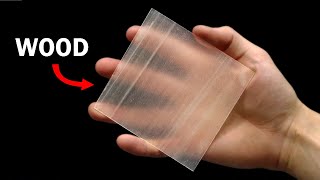
Making transparent wood
NileRed
23.6m views

Making superconductors
NileRed
21.8m views

Making glow toys from scratch
NileRed
9.0m views

Making aerogel
NileRed
37.6m views

Making uranium glass
NileRed
14.4m views

Making toilet paper moonshine
NileRed
13.8m views
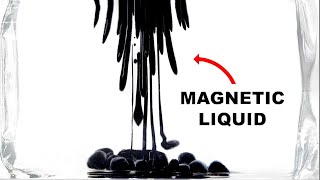
Making ferrofluid from scratch
NileRed
14.9m views

Making raspberry perfume
NileRed
7.4m views
Unlock all features
FREE: Get instant access to 10 AI summaries, chats, or transcripts per day.
Unlock all features
FREE: Get instant access to 10 AI summaries, chats, or transcripts per day.
Unlock all features
FREE: Get instant access to 10 AI summaries, chats, or transcripts per day.
Unlock all features
FREE: Get instant access to 10 AI summaries, chats, or transcripts per day.
Unlock all features
FREE: Get instant access to 10 AI summaries, chats, or transcripts per day.
Related videos
Making an atomic trampoline
NileRed
16.1m views
Making purple gold
NileRed
28.1m views
Making transparent wood
NileRed
23.6m views
Making superconductors
NileRed
21.8m views
Making glow toys from scratch
NileRed
9.0m views
Making aerogel
NileRed
37.6m views
Making uranium glass
NileRed
14.4m views
Making toilet paper moonshine
NileRed
13.8m views
Making ferrofluid from scratch
NileRed
14.9m views
Making raspberry perfume
NileRed
7.4m views
Top Comments (10)
RIP the dream of Nigel owning a “nugsmasher pro” would’ve been a truly legendary piece of lab equipment.
Nile: *spends $5000 on a press* Also Nile: "WE GOT PINE BECAUSE IT WAS THE CHEAPEST"
Hey Nile! I used to work as a Materials Engineer in body armor manufacturing, and what you've experimentally found are some of the core principles of the materials science behind high-performance ballistic armor! Towards the end you mention that you could likely make something half the thickness and still stop a 9mm; take a look at the construction of NIJ level II or level IIIA soft armors: what you'll find is that they are *remarkably* thin. Turns out, high tensile strength is pretty much the number one reason that poly-aramids (Kevlar and the like) are such great armor materials. What I think your pressed-wood plates would serve a better function as is as an up-armor for level II or level IIIA soft armors. This is usually done with a ceramic plate that provides the compressive strength to the initial impact zone that the fibrous soft armor is able to absorb as tensile load, but the densified wood could serve as a great substitute! If you want to get really deep into the armor classification side of things, you can also take a look at "back-face deformation" tests that are done to classify/test armors. Drop me an email if you'd like and I can answer any questions! I'm not in the armor space any more but I have a ton of knowledge built up from the time when I was, and I would love to put it to good use somewhere :P Edit: Someone made the great point that my email isn't super obviously available; it's on my channel (or here: [email protected]) if anyone wants to reach out. I can't promise a prompt response, but I'll try! Also someone pointed out I should have said "Level IIIA soft armor" not "Level III", thanks for the correction, I've edited above!
I love that we get sentences like "It hit me in the head and I was genuinely really surprised" in the classic Nile Red monotone.
If you fancy revisiting this, try carrying out the first chemical wash step under vacuum. The wood contains lots of air, and the presence of the air within the cells prevents the chemicals penetrating through the whole cross section of the piece (thats why the centre looked dry). When pulling a vacuum, most of that air is removed. The vacuum can then be realased forcing the chemicals deep into the piece. In order to remove the chemicals, you can then place the treated piece under vacuum again to help draw out excess chemicals before washing. This is basically how they pressure treat timber with wood preservatives.
He started this project almost 4 years ago! That's insane. People underestimate how long these chemistry videos take
Code Buullet doing literally anything besides being productive is hilarious to me, love the vibes of that man
249 cm tall on the firearms license. Nile is too real for that
Let’s applaud the real chads here: the delivery guys who brought the heat press inside.
oke now make bulletproof transparent wood
Unlock the Data Inside
Turn Videos into Knowledge
- Get FREE 10/day: transcripts, summaries, chats
- Chat with videos, export text & PDF
- $1 free API credit for RAG, chatbots & research
Free forever plan • All features unlocked


Top Comments (10)
RIP the dream of Nigel owning a “nugsmasher pro” would’ve been a truly legendary piece of lab equipment.
Nile: *spends $5000 on a press* Also Nile: "WE GOT PINE BECAUSE IT WAS THE CHEAPEST"
Hey Nile! I used to work as a Materials Engineer in body armor manufacturing, and what you've experimentally found are some of the core principles of the materials science behind high-performance ballistic armor! Towards the end you mention that you could likely make something half the thickness and still stop a 9mm; take a look at the construction of NIJ level II or level IIIA soft armors: what you'll find is that they are *remarkably* thin. Turns out, high tensile strength is pretty much the number one reason that poly-aramids (Kevlar and the like) are such great armor materials. What I think your pressed-wood plates would serve a better function as is as an up-armor for level II or level IIIA soft armors. This is usually done with a ceramic plate that provides the compressive strength to the initial impact zone that the fibrous soft armor is able to absorb as tensile load, but the densified wood could serve as a great substitute! If you want to get really deep into the armor classification side of things, you can also take a look at "back-face deformation" tests that are done to classify/test armors. Drop me an email if you'd like and I can answer any questions! I'm not in the armor space any more but I have a ton of knowledge built up from the time when I was, and I would love to put it to good use somewhere :P Edit: Someone made the great point that my email isn't super obviously available; it's on my channel (or here: [email protected]) if anyone wants to reach out. I can't promise a prompt response, but I'll try! Also someone pointed out I should have said "Level IIIA soft armor" not "Level III", thanks for the correction, I've edited above!
I love that we get sentences like "It hit me in the head and I was genuinely really surprised" in the classic Nile Red monotone.
If you fancy revisiting this, try carrying out the first chemical wash step under vacuum. The wood contains lots of air, and the presence of the air within the cells prevents the chemicals penetrating through the whole cross section of the piece (thats why the centre looked dry). When pulling a vacuum, most of that air is removed. The vacuum can then be realased forcing the chemicals deep into the piece. In order to remove the chemicals, you can then place the treated piece under vacuum again to help draw out excess chemicals before washing. This is basically how they pressure treat timber with wood preservatives.
He started this project almost 4 years ago! That's insane. People underestimate how long these chemistry videos take
Code Buullet doing literally anything besides being productive is hilarious to me, love the vibes of that man
249 cm tall on the firearms license. Nile is too real for that
Let’s applaud the real chads here: the delivery guys who brought the heat press inside.
oke now make bulletproof transparent wood