Game Theory #5: The World Game

Related videos

Live with Predictive History #2: US-Iran War, World Cup
Predictive History
114.6k views

Live with Predictive History
Predictive History
31.4k views

Game Theory #29: Final Examination
Predictive History
225.1k views
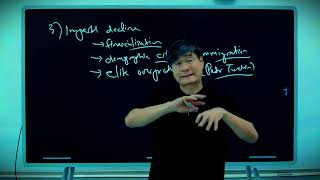
Game Theory #28: Predictive History
Predictive History
284.1k views

Game Theory #27: Putin Enters the Chat
Predictive History
193.5k views

Game Theory #26: The Holy Empire of AI
Predictive History
409.7k views

Game Theory #25: Trump Visits China
Predictive History
572.7k views

Game Theory #24: The AI Apocalypse
Predictive History
99.1k views

Game Theory #23: The WWIII Chessboard
Predictive History
48.1k views

Game Theory #22: Twilight of the Nation-State
Predictive History
343.9k views
Unlock all features
FREE: Get instant access to 10 AI summaries, chats, or transcripts per day.
Unlock all features
FREE: Get instant access to 10 AI summaries, chats, or transcripts per day.
Unlock all features
FREE: Get instant access to 10 AI summaries, chats, or transcripts per day.
Unlock all features
FREE: Get instant access to 10 AI summaries, chats, or transcripts per day.
Unlock all features
FREE: Get instant access to 10 AI summaries, chats, or transcripts per day.
Related videos
Live with Predictive History #2: US-Iran War, World Cup
Predictive History
114.6k views
Live with Predictive History
Predictive History
31.4k views
Game Theory #29: Final Examination
Predictive History
225.1k views
Game Theory #28: Predictive History
Predictive History
284.1k views
Game Theory #27: Putin Enters the Chat
Predictive History
193.5k views
Game Theory #26: The Holy Empire of AI
Predictive History
409.7k views
Game Theory #25: Trump Visits China
Predictive History
572.7k views
Game Theory #24: The AI Apocalypse
Predictive History
99.1k views
Game Theory #23: The WWIII Chessboard
Predictive History
48.1k views
Game Theory #22: Twilight of the Nation-State
Predictive History
343.9k views
Top Comments (10)
Predictive History ❌ Addictive History ✅
videos so good they don't even need a thumbnail for people to watch
This lecture ended with a bigger cliffhanger than any Netflix series
Best thing that happened in my life since Covid was finding these lectures. I've watched the entire catalog and took up research on my. I feel alive, vibrant, hopeful. I feel like there is a light and there is a way towards it. Thank you professor Jiang.
to say that Japan will rule again in a room full of Chinese students while being Chinese himself is a level of intellectual bravery and honesty that you rarely see among teachers.
The concept introduced by Ibn Khaldoun is Assabiyah (عصبية). Ibn Khaldoun states that people who live in the margins of the empire (nomadic tribes from the sahara desert and steppes people) have more "Assabiah" than the sedentary people who live in the empire which means that they tend to be more violent more strict and more motivated than the sedentary people of the empire. Ibn Khaldoun developed this idea in a very specific historic context : during the 14th century, north african cities (like Fez and Qayraouan) were subject to attacks and sacks from nomadic tribes coming from the arabian desert (Banu Hilal, Banu Maaqil and Banu Sulaym). Ibn Khaldoun also says that, eventually, the margins conquer the empire and they do the exact same thing as their predecessors (they become sedentary, lazy, used to "soft life"), this was very true especially in the muslim word (the almoravids, almohads, merinids, hafsids, zianids, seljuks, etc followed almost the exact same pattern).
This students questions at the end were on point today. He was clocked in for the entire class
As a German i think Poland is currently more energetic open and cohesive than germany, they have stayed more humble through history and higher mercenary capabilities. When I visit Poland, the athmosphere is just different, people are more optimistic and open.
What really stood out to me in this video is the idea that having fewer resources can actually be an advantage, because it forces efficiency, discipline, and long‑term strategy rather than complacency. I think this logic doesn’t just apply to states or empires, but very clearly to individuals as well. If you translate this to real life, you often see that the kids with the least social capital in school — the unpopular kids, nerds, and geeks — end up doing disproportionately well later in life. Not because they are “better” people, but because they have no alternative strategy. They can’t rely on popularity, looks, or networks, so they invest heavily in skills, knowledge, and competence. In game‑theory terms: their payoff matrix pushes them toward delayed but scalable rewards. Meanwhile, people with abundant early resources (status, validation, social dominance) often optimize for short‑term gains. That works early on, but it creates fragility. When the environment changes — adulthood, labor markets, technology shifts — those advantages don’t compound the same way. So just like in the “world game” described here, the party with fewer resources is forced to play a leaner, more adaptive, and more future‑oriented strategy. Over time, that strategy tends to dominate. Scarcity doesn’t guarantee success, but it strongly selects for behaviors that win in the long run. That’s why it often looks, in hindsight, like the “losers” ended up conquering the world.
no fancy editing, no clickbait thumbnail, no channel pfp, no clickbait title, but I've still watched 10 hours of this guy's videos in the past two days. this is brilliant stuff and I hope it never gets taken down or censored.
Unlock the Data Inside
Turn Videos into Knowledge
- Get FREE 10/day: transcripts, summaries, chats
- Chat with videos, export text & PDF
- $1 free API credit for RAG, chatbots & research
Free forever plan • All features unlocked
Top Comments (10)
Predictive History ❌ Addictive History ✅
videos so good they don't even need a thumbnail for people to watch
This lecture ended with a bigger cliffhanger than any Netflix series
Best thing that happened in my life since Covid was finding these lectures. I've watched the entire catalog and took up research on my. I feel alive, vibrant, hopeful. I feel like there is a light and there is a way towards it. Thank you professor Jiang.
to say that Japan will rule again in a room full of Chinese students while being Chinese himself is a level of intellectual bravery and honesty that you rarely see among teachers.
The concept introduced by Ibn Khaldoun is Assabiyah (عصبية). Ibn Khaldoun states that people who live in the margins of the empire (nomadic tribes from the sahara desert and steppes people) have more "Assabiah" than the sedentary people who live in the empire which means that they tend to be more violent more strict and more motivated than the sedentary people of the empire. Ibn Khaldoun developed this idea in a very specific historic context : during the 14th century, north african cities (like Fez and Qayraouan) were subject to attacks and sacks from nomadic tribes coming from the arabian desert (Banu Hilal, Banu Maaqil and Banu Sulaym). Ibn Khaldoun also says that, eventually, the margins conquer the empire and they do the exact same thing as their predecessors (they become sedentary, lazy, used to "soft life"), this was very true especially in the muslim word (the almoravids, almohads, merinids, hafsids, zianids, seljuks, etc followed almost the exact same pattern).
This students questions at the end were on point today. He was clocked in for the entire class
As a German i think Poland is currently more energetic open and cohesive than germany, they have stayed more humble through history and higher mercenary capabilities. When I visit Poland, the athmosphere is just different, people are more optimistic and open.
What really stood out to me in this video is the idea that having fewer resources can actually be an advantage, because it forces efficiency, discipline, and long‑term strategy rather than complacency. I think this logic doesn’t just apply to states or empires, but very clearly to individuals as well. If you translate this to real life, you often see that the kids with the least social capital in school — the unpopular kids, nerds, and geeks — end up doing disproportionately well later in life. Not because they are “better” people, but because they have no alternative strategy. They can’t rely on popularity, looks, or networks, so they invest heavily in skills, knowledge, and competence. In game‑theory terms: their payoff matrix pushes them toward delayed but scalable rewards. Meanwhile, people with abundant early resources (status, validation, social dominance) often optimize for short‑term gains. That works early on, but it creates fragility. When the environment changes — adulthood, labor markets, technology shifts — those advantages don’t compound the same way. So just like in the “world game” described here, the party with fewer resources is forced to play a leaner, more adaptive, and more future‑oriented strategy. Over time, that strategy tends to dominate. Scarcity doesn’t guarantee success, but it strongly selects for behaviors that win in the long run. That’s why it often looks, in hindsight, like the “losers” ended up conquering the world.
no fancy editing, no clickbait thumbnail, no channel pfp, no clickbait title, but I've still watched 10 hours of this guy's videos in the past two days. this is brilliant stuff and I hope it never gets taken down or censored.