Neil deGrasse Tyson Explains the Physics of Formula One Racing

Related videos

Neil deGrasse Tyson Explains the Three Levels of Earth Orbit
StarTalk
293.5k views

Neil deGrasse Tyson Explains The Three-Body Problem
StarTalk
10.3m views
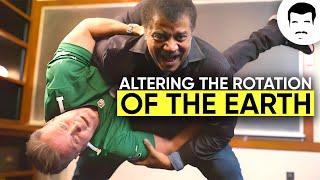
Neil deGrasse Tyson Tackles the Physics of Football
StarTalk
153.5k views
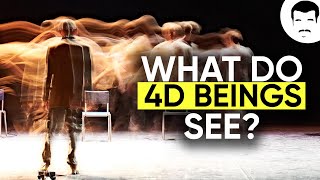
Neil deGrasse Tyson Explains Dimensions
StarTalk
4.7m views
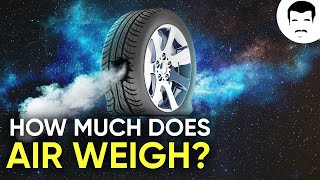
Neil deGrasse Tyson Explains Tire Pressure
StarTalk
227.8k views
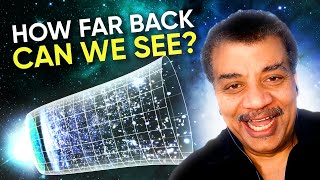
The Timeline of the Universe | Neil deGrasse Tyson Explains...
StarTalk
508.8k views

Will We Run Out Of Phone Numbers? | Neil deGrasse Tyson Explains...
StarTalk
178.9k views

Neil deGrasse Tyson Explains Earth Day
StarTalk
84.5k views

Neil deGrasse Tyson Explains Zero
StarTalk
230.4k views

Neil deGrasse Tyson Explains Rainbows
StarTalk
128.7k views
Unlock all features
FREE: Get instant access to 10 AI summaries, chats, or transcripts per day.
Unlock all features
FREE: Get instant access to 10 AI summaries, chats, or transcripts per day.
Unlock all features
FREE: Get instant access to 10 AI summaries, chats, or transcripts per day.
Unlock all features
FREE: Get instant access to 10 AI summaries, chats, or transcripts per day.
Unlock all features
FREE: Get instant access to 10 AI summaries, chats, or transcripts per day.
Related videos
Neil deGrasse Tyson Explains the Three Levels of Earth Orbit
StarTalk
293.5k views
Neil deGrasse Tyson Explains The Three-Body Problem
StarTalk
10.3m views
Neil deGrasse Tyson Tackles the Physics of Football
StarTalk
153.5k views
Neil deGrasse Tyson Explains Dimensions
StarTalk
4.7m views
Neil deGrasse Tyson Explains Tire Pressure
StarTalk
227.8k views
The Timeline of the Universe | Neil deGrasse Tyson Explains...
StarTalk
508.8k views
Will We Run Out Of Phone Numbers? | Neil deGrasse Tyson Explains...
StarTalk
178.9k views
Neil deGrasse Tyson Explains Earth Day
StarTalk
84.5k views
Neil deGrasse Tyson Explains Zero
StarTalk
230.4k views
Neil deGrasse Tyson Explains Rainbows
StarTalk
128.7k views
Top Comments (10)
Correction: Hans doesn't help drivers keep their necks straight, it helps to prevent breakage of the neck in case of a crash. They still use their neck muscles to keep their heads looking in the right direction.
You guys missed an opportunity to talk about the most important part of the aerodynamics. You started to touch on it. But the current formula of cars are ground effect cars. They have giant venturis under the car creating extremely low pressure under the car. Most of the top surface aero shapes are more for channeling the air where they want it to create the greatest delta p between the top and bottom of the car. They have to use air flow on top to seal off the edges of the floor so the air flows clean and fast under the car. The problem that they ran into mostly in the first year of these regulations was what's called porpoising. As the car hits higher speeds the delta p gets so high that the ride height drops so low that the air flow either stalls, or the car hits the track, losing massive amounts of suction, raising the cars ride height, which immediately raises the delta p, pushing the car back into the ground until it hits again. You get a bouncing up and down that was literally injuring drivers.
Formula 1 is the world's biggest science fair. That perspective change is what made me fall in love with the sport.
Startalk and F1 - my two favorite topics in one video!!!
Huge thanks to our partners @Bitdefender for providing us with special access to this legendary race! Find out more about Bitdefender’s two decades of unparalleled cybersecurity excellence: https://bitdefend.me/StarTalkTA
16:06 It's a Sainz project
0:45 it’s red but I don’t know about fast
Before Nigel Mansell became a World Champion driving for Williams, he drove for Lotus. Colin Chapman at Lotus realized that 'ground effects', the Bernoulli effect under the car that suck them down onto the track, was a terrific opportunity to make his cars faster. He, and his design team, built their first 'ground effects' car and took it to a track to test it. But the drivers could not take the corners faster, until one of the designers convinced Mansell that if he drove quicker through the corner than he thought possible, the ground effect would hold the car down. Mansell was brave enough to try and was immediately 10 mph faster than his team mate who didn't have that confidence in the designers arguments. Truly great drivers have big balls!
Great video guys. We were very pleased to see one of our favourite topics featured on one of our favourite channels. A few things: 1) The HANS device is simply a safety item, it isn't used to keep driver's heads from lilting under high G loadings. Drivers spend a lot of time bulking up their neck muscles to deal with sustained lateral forces. 2) There was a time when there were no speed limits in the pitlane. 3) F1 cars/races are seldom conducted at full speed. There are a number of factors that prevent this, including tyre preservation, fuel flow limitations and engine longevity. As a result, races are often won at the slowest speed possible.
I started following Formula One a year ago, and I learned more in this episode than in the whole year
Unlock the Data Inside
Turn Videos into Knowledge
- Get FREE 10/day: transcripts, summaries, chats
- Chat with videos, export text & PDF
- $1 free API credit for RAG, chatbots & research
Free forever plan • All features unlocked


Top Comments (10)
Correction: Hans doesn't help drivers keep their necks straight, it helps to prevent breakage of the neck in case of a crash. They still use their neck muscles to keep their heads looking in the right direction.
You guys missed an opportunity to talk about the most important part of the aerodynamics. You started to touch on it. But the current formula of cars are ground effect cars. They have giant venturis under the car creating extremely low pressure under the car. Most of the top surface aero shapes are more for channeling the air where they want it to create the greatest delta p between the top and bottom of the car. They have to use air flow on top to seal off the edges of the floor so the air flows clean and fast under the car. The problem that they ran into mostly in the first year of these regulations was what's called porpoising. As the car hits higher speeds the delta p gets so high that the ride height drops so low that the air flow either stalls, or the car hits the track, losing massive amounts of suction, raising the cars ride height, which immediately raises the delta p, pushing the car back into the ground until it hits again. You get a bouncing up and down that was literally injuring drivers.
Formula 1 is the world's biggest science fair. That perspective change is what made me fall in love with the sport.
Startalk and F1 - my two favorite topics in one video!!!
Huge thanks to our partners @Bitdefender for providing us with special access to this legendary race! Find out more about Bitdefender’s two decades of unparalleled cybersecurity excellence: https://bitdefend.me/StarTalkTA
16:06 It's a Sainz project
0:45 it’s red but I don’t know about fast
Before Nigel Mansell became a World Champion driving for Williams, he drove for Lotus. Colin Chapman at Lotus realized that 'ground effects', the Bernoulli effect under the car that suck them down onto the track, was a terrific opportunity to make his cars faster. He, and his design team, built their first 'ground effects' car and took it to a track to test it. But the drivers could not take the corners faster, until one of the designers convinced Mansell that if he drove quicker through the corner than he thought possible, the ground effect would hold the car down. Mansell was brave enough to try and was immediately 10 mph faster than his team mate who didn't have that confidence in the designers arguments. Truly great drivers have big balls!
Great video guys. We were very pleased to see one of our favourite topics featured on one of our favourite channels. A few things: 1) The HANS device is simply a safety item, it isn't used to keep driver's heads from lilting under high G loadings. Drivers spend a lot of time bulking up their neck muscles to deal with sustained lateral forces. 2) There was a time when there were no speed limits in the pitlane. 3) F1 cars/races are seldom conducted at full speed. There are a number of factors that prevent this, including tyre preservation, fuel flow limitations and engine longevity. As a result, races are often won at the slowest speed possible.
I started following Formula One a year ago, and I learned more in this episode than in the whole year